Building an accessory dwelling unit (ADU) on your property in Madison, WI, is an exciting opportunity to add living space, generate rental income, or provide a home for a family member. However, navigating the process requires understanding local laws, financing options, and construction practices to ensure compliance with regulations and a smooth project timeline.
This guide will walk you through the steps to legally build an ADU in Madison, providing insights into zoning requirements, financing strategies, design and construction considerations, and the importance of working with experienced professionals like Boundless Tiny Homes.
What is an ADU?
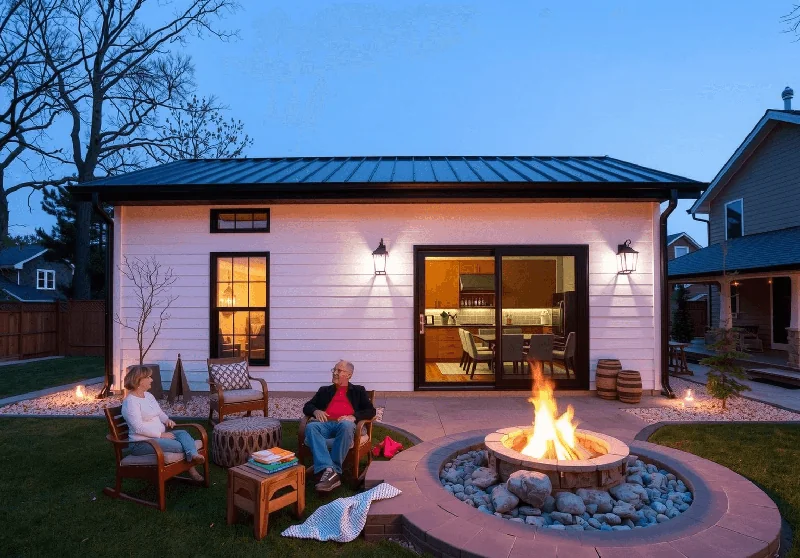
An Accessory Dwelling Unit (ADU) is a secondary living space built on a property with an existing primary residence. These units can take various forms, such as detached backyard cottages, garage apartments, or basement conversions, and they offer flexibility for homeowners seeking multigenerational living solutions or additional income opportunities.
Step 1: Understand Local Zoning and Regulations
Madison has specific zoning laws governing ADU construction. Key guidelines to keep in mind:
Zoning Districts: ADUs are allowed in most residential zoning districts (e.g., SR-C1, SR-C2, TR-C1, TR-C2). Verify your zoning classification using Madison's online zoning map or contact the city's Zoning Division.
Lot Size: Your property must meet minimum lot size requirements. For single-family lots, the typical minimum is 5,000 square feet.
Setbacks: ADUs must maintain at least 4 feet of side and rear yard setbacks.
Height Restrictions: Detached ADUs cannot exceed 25 feet in height.
Unit Size: ADUs in Madison are limited to 900 square feet or no more than 75% of the size of the primary residence, whichever is smaller.
Owner Occupancy: The property owner must live in either the primary residence or the ADU.
Step 2: Plan Your ADU's Purpose
Determine how you plan to use your ADU. Will it serve as a home for aging parents, a guest suite, or a rental unit? Your intended use will influence the design, size, and amenities.
Step 3: Secure Financing
Building an ADU is a significant investment, but financing options make it accessible. Common funding sources include Home Equity Line of Credit (HELOC), Construction Loans, Cash-Out Refinance, and City of Madison programs. Boundless Tiny Homes can connect you with trusted lenders familiar with ADU projects in the Madison area.
Step 4: Design and Permitting
Work with Boundless Tiny Homes to design an ADU that meets your needs and complies with Madison's zoning and building codes. Our team handles drafting architectural plans, ensuring compliance with the Wisconsin Uniform Dwelling Code (UDC), and navigating the city's permitting process, which typically takes 4-8 weeks.
Step 5: Construction and Inspections
Once permits are approved, construction can begin. Expect the process to take 4-6 months, depending on the complexity of the project. City inspectors will review the project at various milestones to ensure compliance with building codes.
Step 6: Decide Between DIY or Professional Help
While a DIY approach can save money, it requires significant expertise and time. Most Madison homeowners prefer working with professionals to ensure the project meets legal and quality standards. Boundless Tiny Homes offers full-service solutions, from design to construction.
Step 7: Enjoy Your New ADU
Once your ADU is complete, it's time to enjoy the benefits! Whether you use it as a rental unit, guest space, or a home for loved ones, your ADU will enhance your property's value and functionality.