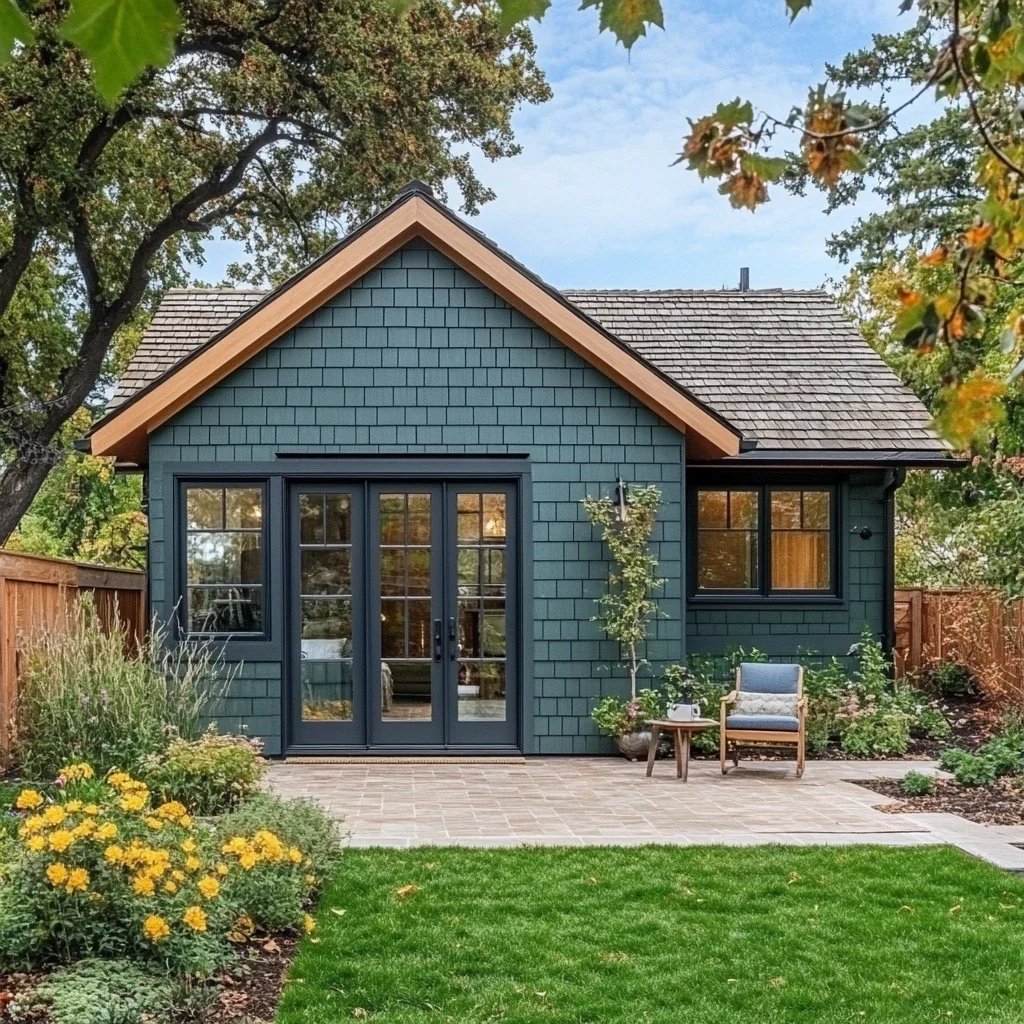
Building an ADU changes your insurance situation in ways most homeowners don’t think about until they file a claim. Your existing homeowner’s policy was written to cover a single-family home. Add a second structure and a tenant — or even a family member in a separate dwelling — and the coverage gaps become real.
Your Existing Policy Almost Certainly Doesn’t Cover It
Standard homeowner’s insurance policies cover the primary dwelling and, to a limited extent, “other structures” on the property — detached garages, sheds, fences. That other structures coverage is typically capped at 10% of your dwelling coverage, and it’s designed for non-habitable structures. A habitable ADU with its own kitchen, bathroom, and electrical system is not the same as a storage shed. If you build an ADU without notifying your insurer and the ADU burns down, you may find the coverage is inadequate or the claim is denied because the structure materially changed your risk profile without disclosure.
What You Must Disclose
When you build an ADU, you are required to notify your insurer of the material change in the property. Failure to disclose can result in coverage denial or policy cancellation. The disclosure conversation should happen before construction is complete. Information your insurer will want: square footage and construction type, whether the ADU is rented or occupied by family, utility configuration, and replacement cost estimate.
Rented ADU: You Need a Landlord Policy
If you’re renting your ADU, you need a landlord policy or rental dwelling policy for the ADU specifically. Standard homeowner’s policies typically exclude rental income, landlord liability for tenants, and coverage for tenant property. A landlord policy covers the dwelling structure, lost rental income if the unit is uninhabitable due to a covered event, and liability if a tenant or guest is injured on the property. Annual premium for a landlord policy on a small ADU in Madison typically runs $600–$1,200/year — a real cost to factor into your rental income math.
Liability Exposure
If a tenant is injured due to a maintenance defect and you haven’t told your insurer about the rental use, you are personally exposed. Your homeowner’s umbrella policy likely has rental exclusions. Call your insurer once you have a building permit in hand. Describe the project and intended use, and ask specifically what coverage changes are needed. Get the answer in writing. Start your ADU planning with a feasibility check — we flag the insurance issue to every client during the build process.