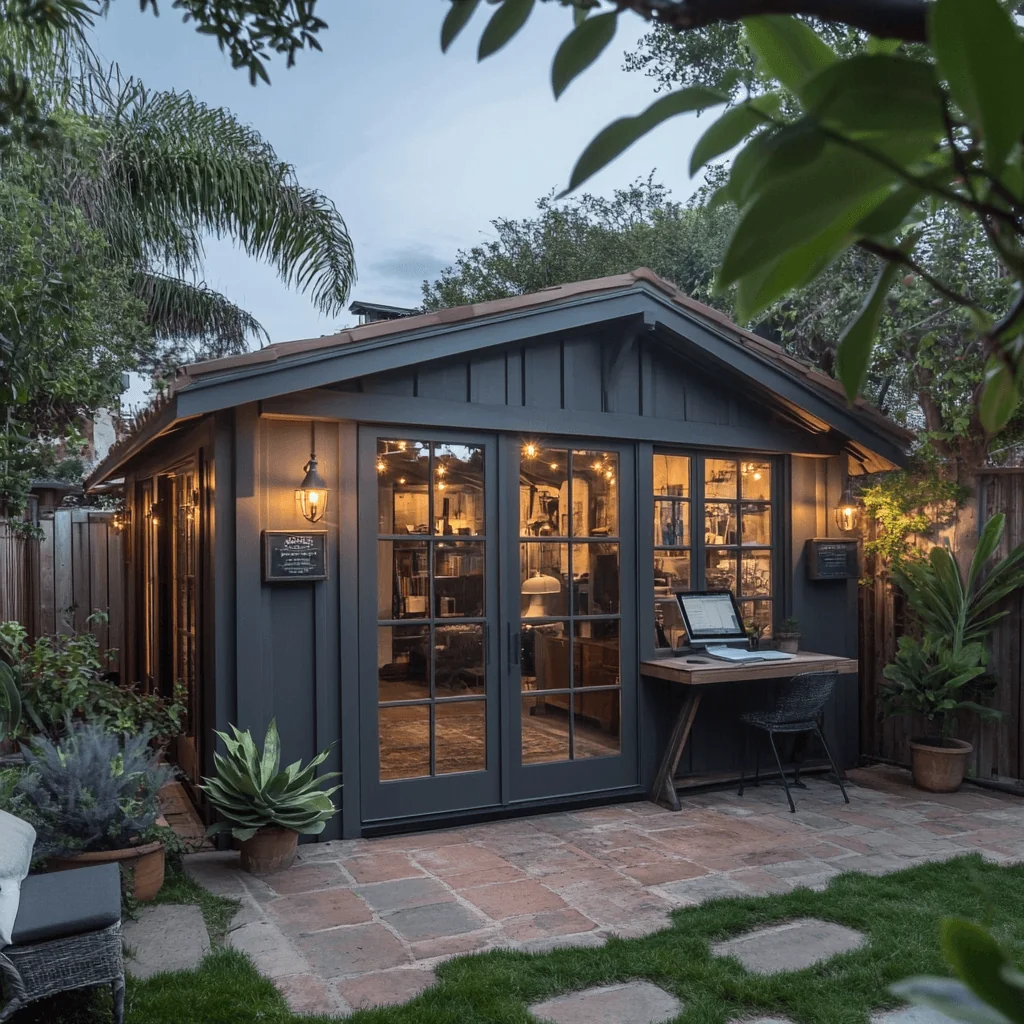
An ADU is a small structure. In Wisconsin’s Climate Zone 6 — where heating degree days in Madison run around 7,000 per year — a small structure with inadequate insulation becomes an expensive problem fast. Energy code sets a floor. Building well means understanding what that floor is and knowing when to exceed it.
Wisconsin’s Energy Code Requirements
Wisconsin follows the Uniform Dwelling Code incorporating the IECC with Wisconsin-specific amendments. For new residential construction in Climate Zone 6, current requirements include: ceiling/attic R-49 minimum; wall assembly R-20 + R-5 continuous, or R-13 + R-10 continuous; slab floor R-10 continuous at perimeter; windows U-factor of 0.30 or lower. These are minimums. A permit won’t be issued for a structure that doesn’t meet them. What they don’t guarantee is a comfortable, efficient building.
Where Code Minimum Falls Short
The wall assembly requirements allow a builder to meet code with R-13 cavity plus a continuous layer — but standard 2x4 framing leaves limited room. Many builders meet code with 2x6 framing (R-21 cavity) plus continuous insulation on the exterior. The difference in performance over a Wisconsin winter is meaningful. Ceiling insulation at R-49 is achievable with blown-in fiberglass or cellulose, but at the eaves — where insulation is often compressed — effective R-value drops if baffles and careful installation aren’t specified.
Air Sealing: The Underrated Variable
R-value measures resistance to conductive heat transfer. Air sealing addresses convective heat loss — warm air escaping through gaps in the building envelope. In a cold climate, air sealing matters as much as insulation values. Code minimum in Wisconsin is 3 ACH50 on a blower door test. Better builders target 2 or below. The tighter the envelope, the less work your HVAC has to do — on a mini-split, that translates directly to lower operating costs.
Building Envelope and HVAC Are Connected
A better building envelope means smaller HVAC equipment, lower operating costs, and more consistent interior temperatures. A mini-split sized for a well-insulated ADU will be smaller and quieter than one sized for a code-minimum build. The upfront cost of better insulation often comes back quickly through equipment downsizing and energy savings. We build ADUs to perform, not just to pass inspection. If you’re planning an ADU in Madison or Dane County, start with a feasibility check.