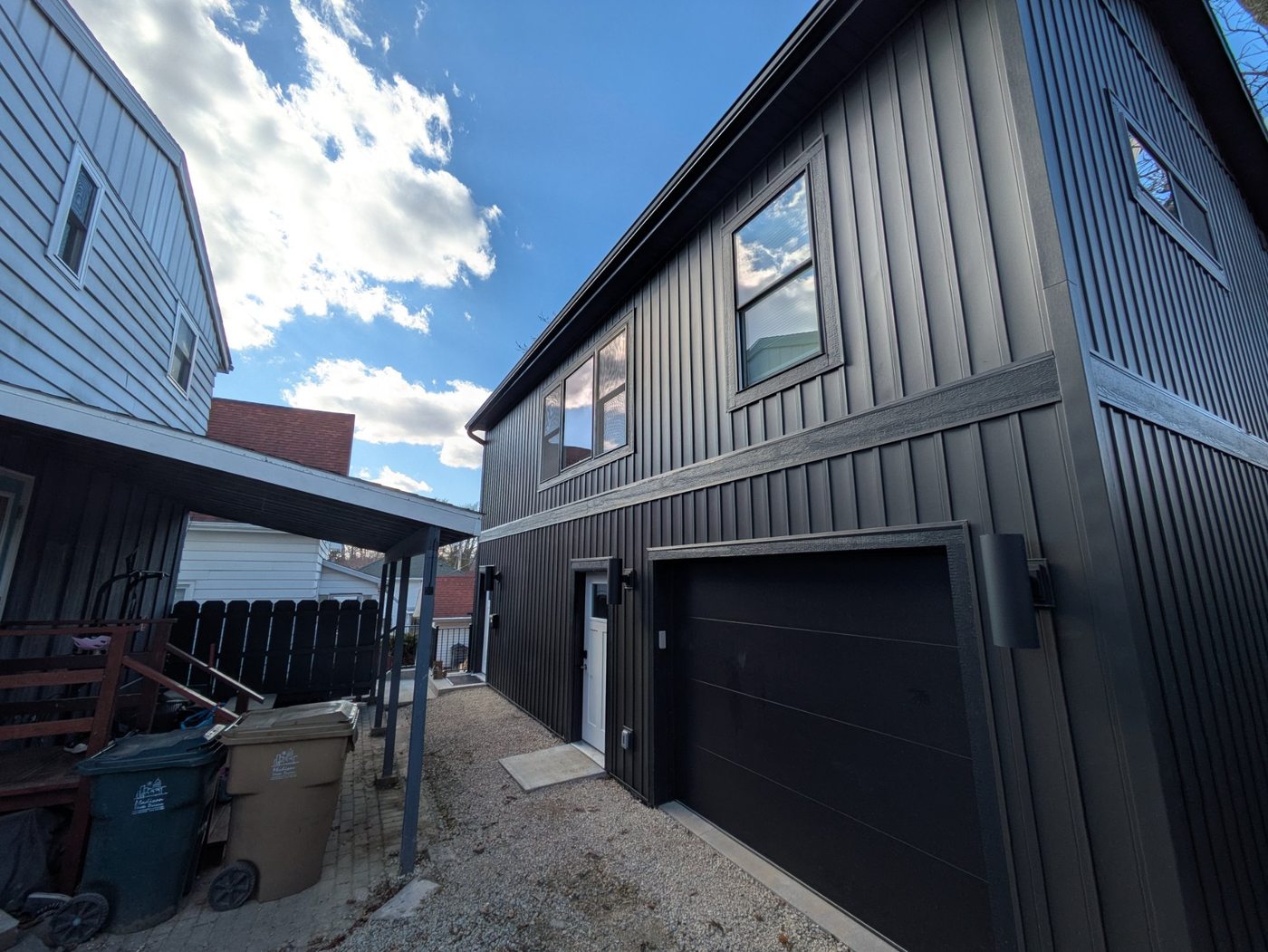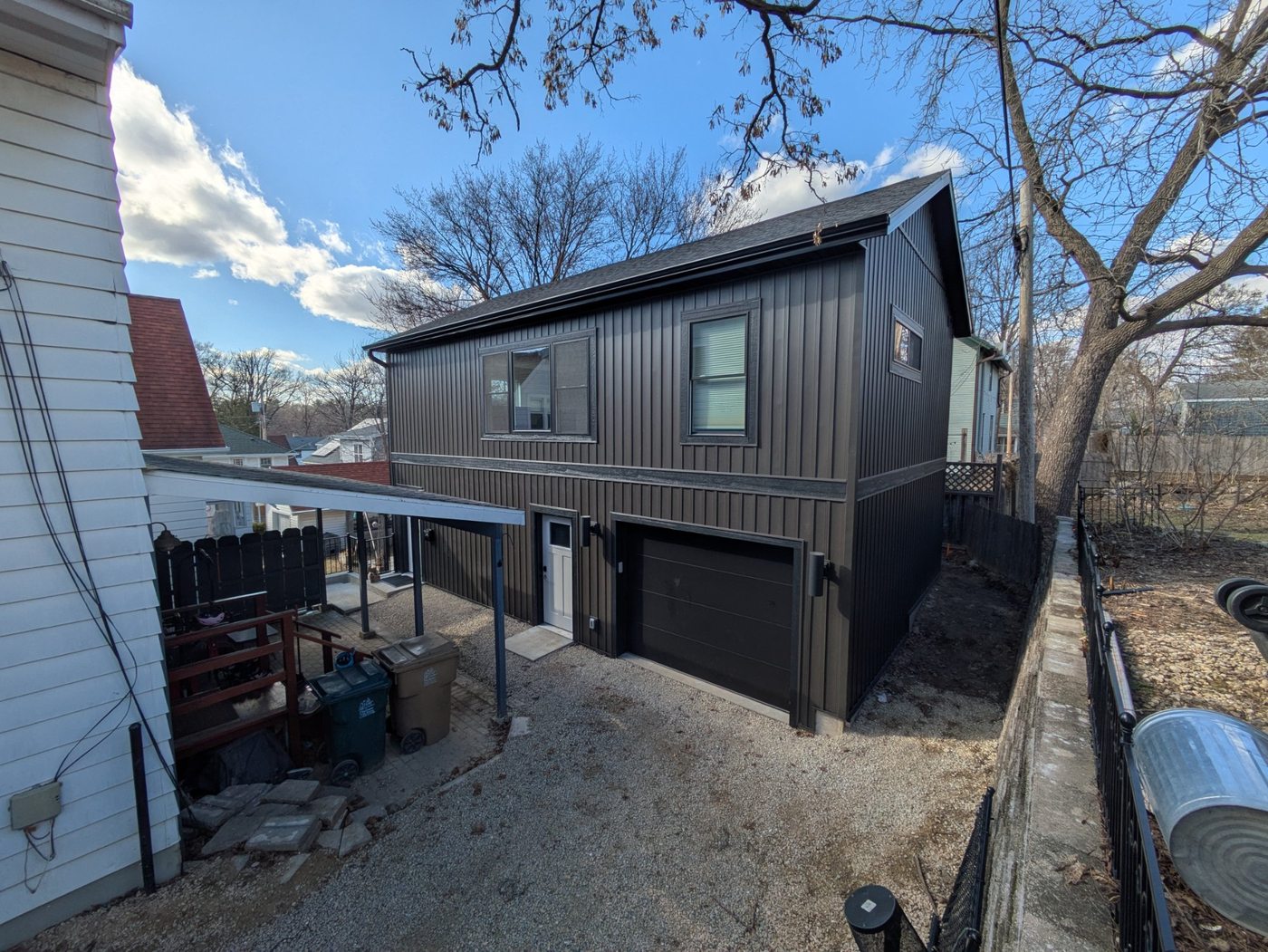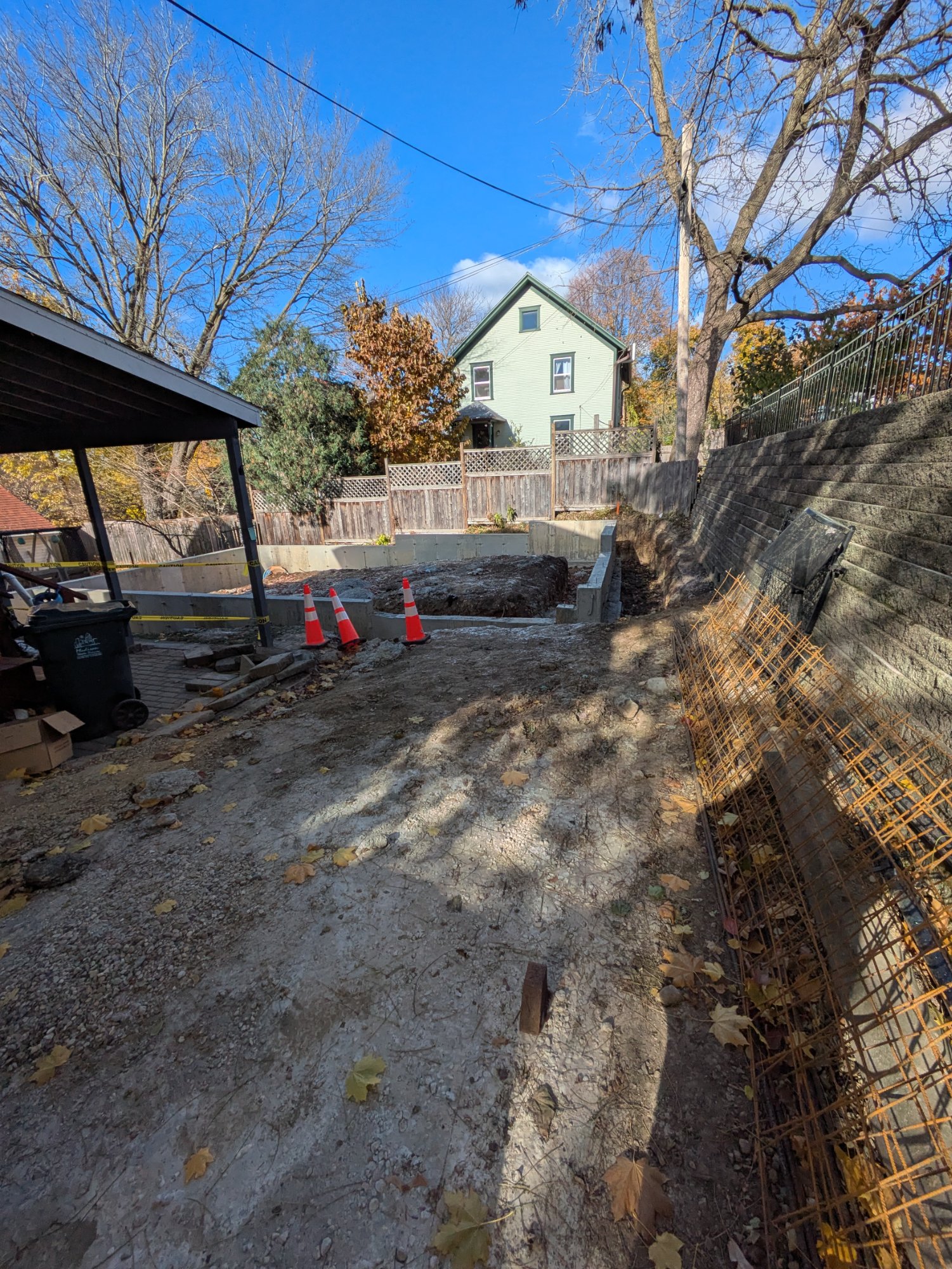
Some families have held a lake lot for generations. The house came first, then the pier, then the summers. Now a parent wants to stay close to the water without keeping up the main house, or an adult child wants a place of their own on the same shore.
A lakefront ADU can make that work. On a lakefront lot, though, the water changes the rules. The setback that matters most isn't measured from a lot line. It's measured from the lake. Here's how shoreland zoning applies on Madison's lakes and on town lots across Dane County, and what to check before anyone draws a floor plan.
First Question: City Lot or Town Lot?
Who writes the rules depends on where your lot sits.
- City of Madison. Madison's zoning code (section 28.138) has its own lakefront rules, on top of Madison's ADU zoning rules. They cover lots that abut Lake Mendota, Lake Monona, Lake Wingra, Monona Bay, and their bays.
- Unincorporated towns. Dane County's shoreland ordinance applies, built on minimum standards the state sets in NR 115.
- Other cities and villages. The county ordinance doesn't apply. Check with that municipality's zoning office.
State law defines shoreland broadly: land within 1,000 feet of a navigable lake or pond, or within 300 feet of a river or stream (or to the landward side of the floodplain, if that is farther). You don't need a dock to be in it.
Lakefront ADUs on Madison's Lakes Need Plan Commission Review
On a lot that abuts one of those lakes, any new accessory building needs conditional use approval from the Plan Commission. A detached ADU sits in an accessory building, so it's covered.
There's one exception. The review doesn't apply to any part of the lot more than 300 feet from the Ordinary High Water Mark, or to land separated from it by a street or public right-of-way.
The Survey and the Ordinary High Water Mark
For a lakefront ADU, Madison requires a survey from a registered land surveyor. It must show how far the buildings on the neighboring lots sit from the Ordinary High Water Mark.
That mark isn't today's waterline. The Wisconsin DNR describes it as the point on the shore where the water's presence is continuous enough to leave a distinct mark, such as erosion or a loss of land plants.
The survey sets your lakefront yard setback. For a home on a one- or two-family lot, Madison uses the neighbors:
- The average setback of the houses on the two adjoining lots, if they sit within 20 feet of each other
- The setback of the one neighboring house, if only one adjoining lot is developed
- The median of the five developed lots on either side, or within 300 feet, whichever is less
- 75 feet, if none of those apply
A principal building can never sit closer than 25 feet to the mark. These methods are written for the main house, and the usual lot-line setbacks still apply to an ADU. How the lakefront yard shapes your ADU's placement is something the city's zoning staff confirms from the survey, so order it early.
Trees, Coverage and Sewer on Madison's Shoreline
Madison's lakefront section adds more rules:
- Your application has to inventory the shoreline vegetation and show which trees and shrubs will come out. See also tree removal for ADU placement.
- Cutting is limited in the 35-foot strip inland from the normal waterline. No more than 30 percent of your frontage can be cleared.
- Within 35 feet of the high water mark, lot coverage can't exceed 20 percent.
- Any building for living in must be served by public sanitary sewer. Check your existing water and sewer lines early.
Town Lots: Dane County Shoreland Zoning
On the county side, the numbers come from Chapter 11 of the Dane County Code. See also Dane County ADU permitting.
- Setback. Buildings and structures sit at least 75 feet from the Ordinary High Water Mark, and 75 feet from wetlands of two acres or more. Where neighbors already sit closer, a new main house can use a reduced setback based on theirs, but only with a shoreland mitigation permit. That exception is written for principal buildings, so ask Dane County Zoning whether it reaches an ADU.
- Buffer. The first 35 feet inland from the Ordinary High Water Mark is a vegetative buffer zone. Apart from boathouses, piers and shore walkways, structures stay out.
- Impervious surface. Roofs, drives, patios and walks count, gravel included. They can cover no more than 15 percent of the part of the lot within 300 feet of the water, or 30 percent with a shoreland mitigation permit.
- Permits. A new structure in the shoreland needs a shoreland zoning permit. Within 300 feet of the water, any land disturbance also needs a shoreland erosion control permit. Confirm with Dane County Zoning which permits your lot needs.
A Dane County mitigation permit (see the shoreland zoning FAQ) has two parts: a stormwater plan with engineered practices, and restoring the buffer with native plants.
Shoreland rules are only one layer. Whether a town lot can have an ADU at all is a separate zoning question, and floodplain rules are a third.
What to Do If You Own a Lakefront Lot
Start with three questions. Is the lot in the city, a town, or a village? How far is the buildable area from the high water mark? Where do the neighbors' homes sit?
We answer these questions during your free feasibility check, before design begins. If the project moves forward, we prepare and submit the permit applications and handle the back-and-forth with the city or county. You focus on the home.
The work is fitting a home to the shore. Start with a free feasibility check.